R30 insulation is a kind of thermal shield manufactured to make your house energy-efficient and comfortable all year long.
Renowned for its outstanding resistance to hotter temperatures, this insulation medium attains an R-value of 30, signifying its capability for resisting heat transfer. The higher insulations R-value, the more productive the insulation is at decreasing energy costs and sustaining indoor temperature constancy.
When you’re working on a home renovation project or building a new house, having knowledge of what makes R30 insulation exceptional and places to use it is vital to get maximum use out of it. This post is going to explain everything you should know, from its depth and where to install it, to how R30 insulation can be compared with other insulation types.
What is R30 Insulation Used For?
R30 insulation is mainly used in areas that require high thermal resistance for maintaining energy efficiency and managing inside temperatures. It is commonly used in flooring, ceilings, and attics in which heat transmission is more probable because of subjectivity to outside temperatures.
For instance, when your attic gets extremely cold during winter or hot during summer, having R30 insulation installed can considerably decrease fluctuations in temperature, which in turn keeps your living areas comfortable. This insulation is especially effective for homeowners in areas with harsh seasonal weather cycles.
In addition, R30 insulation is perfect for decreasing HVAC expenses. By forming a thermal shield, it decreases the volume of work on HVAC systems, which leads to energy savings. It’s additionally a perfect choice for sound proofing, helping to suppress louder sounds in multi-storied houses or between adjoining walls.
How Deep is R30 Insulation?
Among more general questions asked by homeowners is, “What is the depth of R30 insulation?” R30 insulations breadth can differ subject to the medium used.
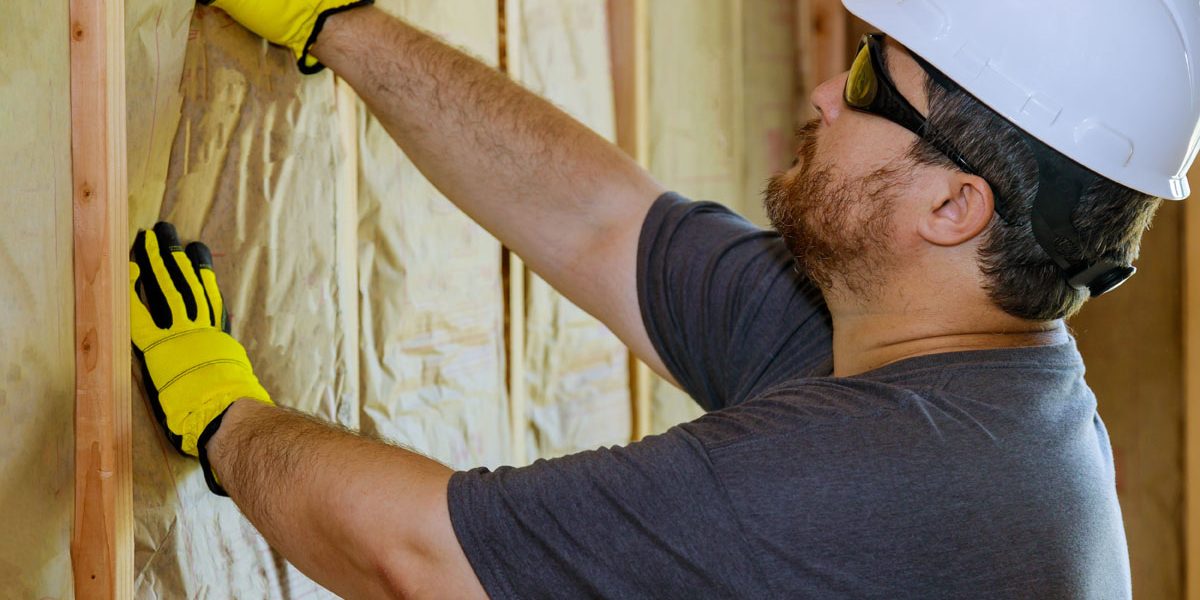
- Fiberglass Batt Insulations: Usually, this insulation is around eight to nine inches in depth. These pre-formed panels are easily installed and commonly utilized in attics and in the middle of wall studs.
- Spray Foam Insulations: R30 could be reached with expanding foam at a depth of roughly five inches for solid-cell foam. This insulation is more dense and is going to provide increased resistance to heat flow per linear inch.
- Blown-In Insulations: Loose-fill insulation might require ten inches up to a foot to achieve R30, subject on the medium (cellulose, fiberglass, or rock wool).
The precise depth may additionally vary on the basis of settling or compression, so it’s important to speak with a professional or adhere to manufacturer instructions for correct installation.
Where Do You Install R30 Insulation?
R30 insulation is adaptable and is usually installed in many essential areas of a home. The following is where you’re most probable to find it installed:
Floors
In houses that have non-heated crawlspaces or basements, insulating the flooring with R30 is going to prevent colder air from entering into living spaces. This installation is particularly valuable in areas that have harsh winters, in which preserving a warm flooring surface is going to enhance comfort.
Ceilings
R30 insulation is often installed inside ceilings, specifically in multi-storied houses. It helps decrease louder sound transfer between floors and increase power saving by decreasing heat transfer between floors.
Attics
An attic is among the more frequent areas for R30 insulation. Because heat rises, a non-insulated attic could become a significant cause of heat losses in colder months and heat gains in hotter months. Having R30 insulation installed is going to help create an effectual thermal shield, maintaining a steady inside temperature.
Exterior Walls
Less frequently, R30 insulation can be utilized in outdoor walls for houses in excessively colder or hotter regions. The higher R-value guarantees maximum thermal protection deviations and loss of energy.
Importance of Installation
Correct placement and sealing are vital when having R30 insulation installed to optimize its performance. Incorrect installation or gaps can compromise its effectiveness, which leads to increased energy expenses and decreased comfort.
MK Design And Build In Arizona
MK Design And Build, located in Mesa, Arizona, specializes in residential construction, providing clients with state-of-the-art technology combined with cost-effective building methods. MK offers a variety of styles and designs for you to use as a starting point in your home building journey. With an extensive library of existing plans to choose from, we’ve organized them into 4 Series to facilitate the shopping experience: Classic, Vintage, Contemporary and Craftsman. Contact MK Design and Build right here!