
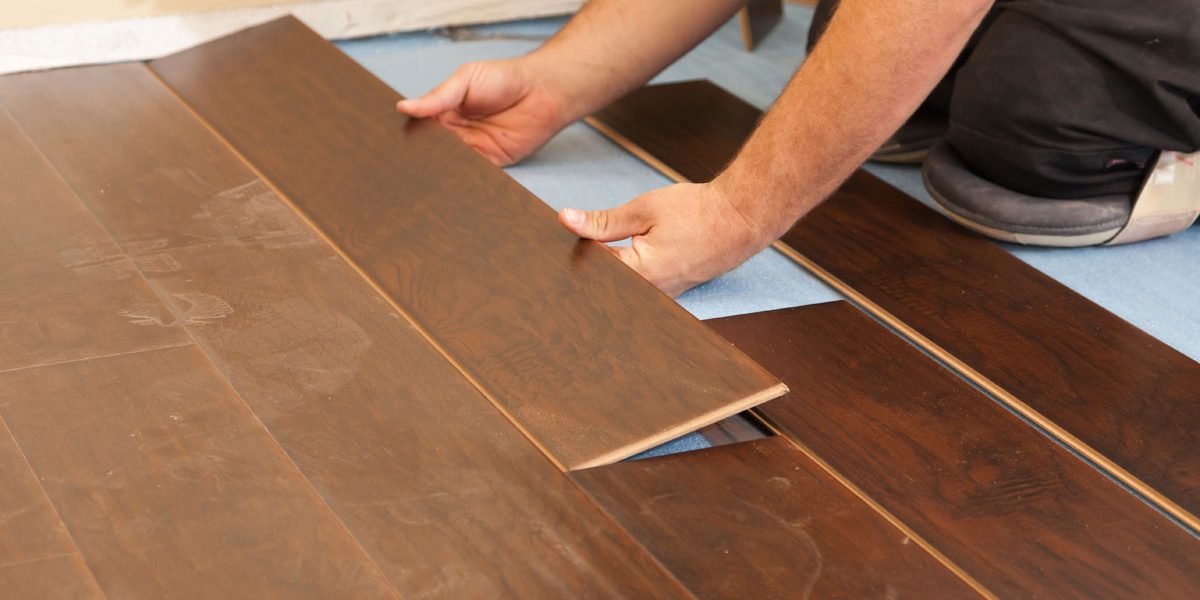
Engineered wood, often called artificial board in China, is a crucial composite material in present day furniture and construction. Instead of an individual natural board, it is a “mixed” material made from raw wood (like sawdust, wood chips, and wood fiber) via mechanical processing, adhesives, and lamination.
In contrast to solid wood, it is more stable and budget friendly, with improved control over its size and practicality. It also maximizes wood resources and decreases waste. Presently, it can be found in everything from inexpensive furniture to high-end luxury homes, from flooring to wall embellishments.
What Is Engineered Wood?
Engineered wood is in reference to a wide range of wood-based materials that are manufactured by binding or fixing strands, fibers, particles, or veneers of wood along with adhesives under pressure and heat. Rather than being cut directly from an individual tree trunk such as solid wood, engineered wood is a composite product—designed to improve sustainability, impact stability, and resilience to cracking or warping.
Types of Engineered Wood
Key properties of engineered wood comprise of:
- Dimensional Stability – Less inclined to swelling or shrinkage because of changes in humidity.
- Effective Use Of Raw Materials – Utilizes smaller pieces of wood, wood by products, or fast-growing species, optimizing sustainability.
- Versatility – Available in various grades, thicknesses, and surface finishes to suit everything from construction applications to fine furniture.
- Budget-Effectiveness – Typically more affordable than solid hardwood, with stable quality and size.
Pros and Cons of Engineered Wood
The following are some pros and cons of engineered flooring
Pros of Engineered Wood
- Additional Stability – Resistance to warping, cracking, and shrinking better than a lot of solid woods, which makes it ideal for differing climates and indoor environments.
- Resource Efficiency – Optimizes the use of wood by integrating small pieces, sawdust, or recycled fibers, decreasing waste.
- Broad Design Options – Can be finished with paint, veneers, or laminates, providing styles that emulate premium hardwoods at a steal.
- Steady Quality – Manufactured to consistent thickness and durability, streamlining construction and installation.
- Budget Friendly – Typically less costly than solid hardwood while offering comparable or even first-rate performance in particular applications.
Cons of Engineered Wood
- Moisture Sensitivity – A lot of types, particularly MDF and particle board, can swell or lose durability if exposed to water for long periods of time.
- Decreased Longevity in Heavy-Trafficked Areas – Many engineered woods might not correspond to the sustainability of high-quality solid hardwood under harsh wear and tear.
- Chemical Contents – Could contain adhesives that release minute amounts of other VOCs or formaldehyde; emissions and quality are subject on the manufacturer’s standards.
- Restricted Refinishing – Dissimilar to solid wood, a lot of engineered wood can’t be sanded and refinished repeatedly.
- Weight – High-density alternatives such as HDF and LVL can be heavier and harder to handle throughout installation.
MK Design And Build In Arizona
MK Design And Build, located in Mesa, Arizona, specializes in residential construction, providing clients with state-of-the-art technology combined with cost-effective building methods. MK offers a variety of styles and designs for you to use as a starting point in your home building journey. With an extensive library of existing plans to choose from, we’ve organized them into 4 Series to facilitate the shopping experience: Classic, Vintage, Contemporary and Craftsman. Contact MK Design and Build right here!
References
MK Design & Build Colorado Homes
MK Design & Build Northeast Arizona Homes
MK Design & Build Construction Concierge Service
MK Design & Build Assembles In Hours
Building Science Education SIPs
Building America Solution Center SIPs
Phoenix Haus Colorado Custom Homes
PrecisionCraft Colorado Log Homes And Timber Frame Homes